

Autonomous Taxis: Are They the Future of Mobility?
The rise of technology has transformed the way we think about transportation. One of the most exciting developments in this arena is the advent of autonomous taxis. These self-driving vehicles promise to reshape our urban landscapes, redefine our commuting experiences, and potentially offer solutions to some of our most pressing mobility challenges. As we stand on the brink of this new era, many are left wondering: are autonomous taxis truly the future of mobility?
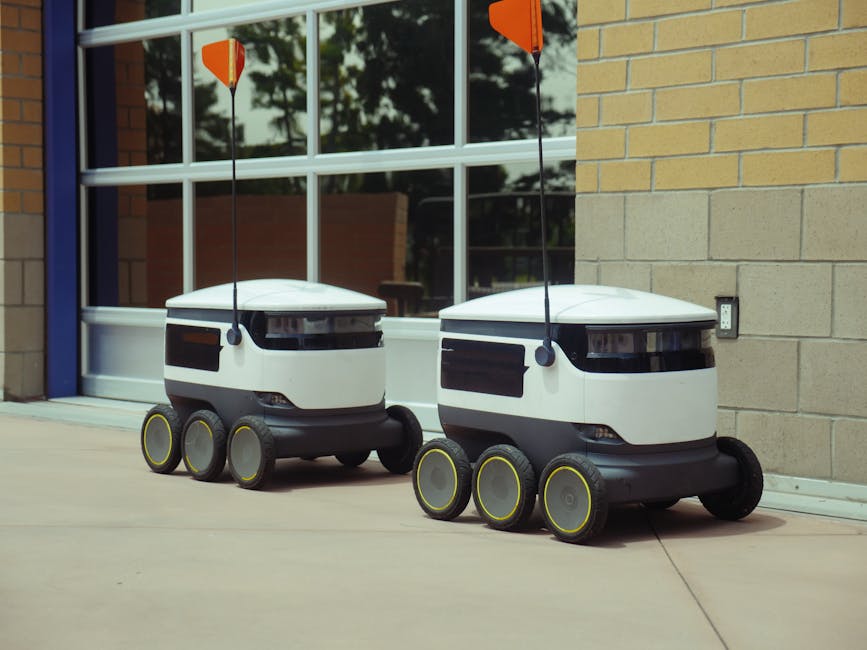
Understanding Autonomous Taxis
Autonomous taxis, often referred to as self-driving taxis, utilize advanced technologies such as artificial intelligence (AI), machine learning, and sophisticated sensors to navigate without human intervention. These vehicles are designed to transport passengers from one location to another, relying on algorithms and real-time data to make decisions on the road.
The Technology Behind Autonomous Taxis
The technology that powers autonomous taxis is complex and multifaceted. At the heart of these vehicles are several key components:
- LiDAR and Cameras: LiDAR (Light Detection and Ranging) systems create a 3D map of the vehicle’s surroundings, while cameras capture real-time images to identify obstacles, road signs, and lane markings.
- GPS and Mapping: Global Positioning System (GPS) technology helps the vehicle determine its location, while high-definition maps provide detailed information about the environment.
- Artificial Intelligence: AI algorithms process data from various sensors, allowing the vehicle to make decisions, predict movements, and respond to changing road conditions.
- Connectivity: Autonomous taxis often communicate with each other and with infrastructure to enhance safety and efficiency.
The Benefits of Autonomous Taxis
As cities around the world grapple with traffic congestion, pollution, and the need for efficient transportation solutions, autonomous taxis present several potential benefits:
1. Reduced Traffic Congestion
One of the most significant advantages of autonomous taxis is their potential to reduce traffic congestion. By optimizing routes and minimizing unnecessary stops, these vehicles can help alleviate the burden on urban roadways. Additionally, the ability of autonomous taxis to communicate with one another can lead to smoother traffic flow, reducing the likelihood of bottlenecks.
2. Enhanced Safety
Autonomous vehicles are designed to eliminate human error, which is a leading cause of accidents on the road. With advanced sensors and AI, these vehicles can react more quickly than human drivers, potentially leading to safer transportation options. Studies suggest that widespread adoption of autonomous vehicles could significantly reduce the number of traffic-related injuries and fatalities.
3. Increased Accessibility
For individuals with disabilities or those who are unable to drive, autonomous taxis offer a new level of mobility. These vehicles can provide on-demand transportation services, ensuring that everyone has access to reliable transportation options. This increased accessibility can enhance the quality of life for many individuals and promote greater independence.
4. Environmental Benefits
Autonomous taxis often come equipped with electric or hybrid technology, contributing to reduced emissions and a smaller carbon footprint. As cities strive to meet sustainability goals, the integration of autonomous taxis into public transportation systems can play a vital role in promoting cleaner air and reducing reliance on fossil fuels.
Challenges Facing Autonomous Taxis
While the benefits of autonomous taxis are promising, several challenges must be addressed before they can become a mainstream mode of transportation:
1. Regulatory Hurdles
The regulatory landscape for autonomous vehicles is still evolving. Governments around the world are working to establish guidelines and safety standards for self-driving technology. This can create uncertainty for companies developing autonomous taxis, as they must navigate a complex web of regulations that may vary from one jurisdiction to another.
2. Public Perception and Trust
For autonomous taxis to gain widespread acceptance, public perception and trust are crucial. Many individuals may be hesitant to ride in a self-driving vehicle due to concerns about safety and reliability. Building consumer confidence through education, transparency, and successful real-world trials will be essential in overcoming these barriers.
3. Technological Limitations
Despite significant advancements, autonomous technology still faces limitations. Weather conditions, complex urban environments, and unexpected obstacles can pose challenges for self-driving vehicles. Continuous improvement and testing are necessary to ensure that these vehicles can navigate safely and effectively in various scenarios.
4. Cybersecurity Risks
As with any technology that relies on connectivity, autonomous taxis are vulnerable to cybersecurity threats. Hackers could potentially exploit vulnerabilities in the system, leading to safety risks. Ensuring robust cybersecurity measures are in place will be vital to protect passengers and maintain public trust in autonomous transportation.
Current Developments in Autonomous Taxi Services
Several companies are actively testing and deploying autonomous taxi services in various cities around the world. These pilot programs provide valuable insights into the practicalities of operating self-driving vehicles in real-world conditions.
Waymo
Waymo, a subsidiary of Alphabet Inc., has been a pioneer in the autonomous vehicle industry. The company launched its Waymo One service in Phoenix, Arizona, allowing passengers to hail fully autonomous taxis without a safety driver present. This service has garnered significant attention and has been a crucial step in demonstrating the feasibility of self-driving taxis.
Uber and Lyft
Ride-hailing giants Uber and Lyft are also exploring autonomous vehicle technology. Both companies have invested heavily in research and development to integrate self-driving cars into their platforms. While fully autonomous services are not yet available, ongoing testing and partnerships with technology firms are paving the way for future deployment.
Other Notable Players
Numerous other companies, including Tesla, Cruise, and Aurora, are in various stages of developing autonomous taxi services. These efforts highlight the growing interest and investment in self-driving technology, indicating a competitive landscape as companies race to bring their solutions to market.
Public Acceptance and the Future of Autonomous Taxis
The success of autonomous taxis will largely depend on public acceptance. As more people experience the convenience and safety of self-driving vehicles, perceptions may shift. Education campaigns that explain the technology and its benefits can help alleviate fears and build trust.
Moreover, the integration of autonomous taxis into existing public transportation systems could enhance their appeal. By offering seamless connections to buses, trains, and other modes of transport, autonomous taxis can become an integral part of a comprehensive mobility solution.
Looking Ahead
The future of mobility is undoubtedly evolving, and autonomous taxis are poised to play a significant role in this transformation. As technology continues to advance and regulatory frameworks develop, we may see a shift in how we perceive and utilize transportation. The potential for increased safety, reduced congestion, and enhanced accessibility makes autonomous taxis an exciting prospect for the future of urban mobility.
Conclusion
In conclusion, autonomous taxis represent a promising innovation in the field of transportation. While challenges remain, the potential benefits of these self-driving vehicles are substantial. As we continue to explore the possibilities of autonomous mobility, it is essential to balance technological advancement with public safety and trust. The journey towards widespread adoption of autonomous taxis is just beginning, and it holds the promise of a more efficient, safe, and accessible future for all.


I visited a lot of website but I believe this one contains something extra in it in it