

Exploring the Latest in Smart Car Connectivity
As technology continues to evolve, the automotive industry is undergoing a significant transformation. Smart car connectivity is at the forefront of this change, introducing features that enhance safety, convenience, and overall driving experience. In this article, we will explore the latest advancements in smart car connectivity, from vehicle-to-everything (V2X) communication to integrated infotainment systems, and how these innovations are shaping the future of transportation.
The Rise of Smart Connectivity in Vehicles
Smart connectivity in vehicles refers to the integration of internet-based technology within cars, enabling them to communicate with other devices, infrastructure, and even other vehicles. This connectivity is not just about entertainment; it plays a crucial role in enhancing safety and efficiency. As more vehicles become equipped with advanced connectivity features, the potential for a more integrated transportation ecosystem grows.
What is Vehicle-to-Everything (V2X) Communication?
Vehicle-to-Everything (V2X) communication is a groundbreaking technology that allows vehicles to communicate with various entities, including other vehicles (V2V), infrastructure (V2I), pedestrians (V2P), and the cloud (V2C). This communication helps create a more informed driving environment, significantly reducing the chances of accidents and improving traffic flow.
For instance, V2V communication enables cars to share information about their speed, direction, and location, allowing drivers to anticipate potential hazards. Similarly, V2I communication can provide real-time data about traffic signals, road conditions, and construction zones. By leveraging this information, drivers can make more informed decisions, enhancing overall safety on the roads.
Enhanced Safety Features
One of the most significant benefits of smart car connectivity is the enhancement of safety features. Modern vehicles are equipped with advanced driver-assistance systems (ADAS) that utilize connectivity to provide a safer driving experience. Features such as adaptive cruise control, lane-keeping assistance, and automatic emergency braking rely on real-time data to function effectively.
For example, a car equipped with V2X technology can receive alerts about upcoming traffic congestion or accidents, allowing the driver to reroute and avoid potential dangers. Additionally, smart connectivity enables vehicles to communicate with emergency services in the event of an accident, speeding up response times and potentially saving lives.
Integration of Infotainment Systems
The integration of infotainment systems into smart cars is another exciting development in automotive connectivity. These systems provide drivers and passengers with access to a wide array of entertainment and information options, making every journey more enjoyable.
Smartphone Connectivity
Smartphone connectivity has become a standard feature in modern vehicles. Most new cars come equipped with Apple CarPlay or Android Auto, allowing users to seamlessly connect their smartphones to the car’s infotainment system. This integration enables drivers to access navigation apps, music streaming services, and hands-free calling features directly from the car’s dashboard.
This connectivity not only enhances convenience but also helps drivers stay focused on the road. By using voice commands and touch controls, drivers can interact with their smartphones without taking their hands off the wheel or their eyes off the road.
Over-the-Air Updates
Another significant advantage of smart car connectivity is the ability to receive over-the-air (OTA) updates. Traditionally, vehicle software updates required a visit to the dealership, which could be time-consuming and inconvenient. However, with OTA updates, manufacturers can remotely update the vehicle’s software, ensuring that drivers always have the latest features and security enhancements.
This capability is particularly important in the context of cybersecurity. As cars become more connected, they also become more vulnerable to cyber threats. Regular software updates help protect vehicles from potential vulnerabilities, keeping both the car and its occupants safe.
The Role of Artificial Intelligence in Smart Cars
Artificial intelligence (AI) is playing an increasingly important role in the development of smart car connectivity. AI algorithms can analyze vast amounts of data from various sources, enabling vehicles to make real-time decisions that enhance safety and efficiency.
Predictive Analytics
Predictive analytics is one area where AI is making a significant impact. By analyzing historical data and real-time information, AI can anticipate potential issues and proactively alert drivers. For example, if a vehicle detects that traffic is building up ahead, it can suggest an alternate route to avoid delays.
This predictive capability not only enhances the driving experience but also contributes to reducing congestion and improving overall traffic flow. As more vehicles adopt AI-driven connectivity features, the potential for a more efficient transportation system increases.
Personalized Driving Experience
AI also enables a more personalized driving experience. Smart cars can learn a driver’s preferences over time, adjusting settings such as seat position, climate control, and infotainment options based on individual preferences. This level of customization enhances comfort and convenience, making each drive more enjoyable.
Challenges and Concerns
While the advancements in smart car connectivity offer numerous benefits, there are also challenges and concerns that need to be addressed. One of the primary concerns is cybersecurity. As vehicles become more connected, they also become potential targets for cyberattacks. Manufacturers must prioritize security measures to protect vehicles from unauthorized access and potential threats.
Data Privacy
Another significant concern is data privacy. Smart cars collect a vast amount of data, including location information and driving habits. It is essential for manufacturers to establish transparent data policies and ensure that user information is protected. Consumers should have control over their data and be informed about how it is used.
Infrastructure Readiness
The effectiveness of smart car connectivity also relies on the readiness of infrastructure. For V2X communication to function optimally, roadways and traffic systems must be equipped with the necessary technology to support this communication. Investments in smart infrastructure are crucial to fully realizing the potential of connected vehicles.
The Future of Smart Car Connectivity
The future of smart car connectivity looks promising, with ongoing advancements in technology and infrastructure. As more vehicles become equipped with advanced connectivity features, we can expect a more integrated transportation ecosystem that prioritizes safety, efficiency, and convenience.
Autonomous Vehicles
One of the most exciting prospects in the realm of smart car connectivity is the development of autonomous vehicles. These vehicles rely heavily on connectivity to navigate safely and efficiently. With V2X communication, autonomous cars can interact with their environment, making real-time decisions based on data from other vehicles and infrastructure.
As technology continues to advance, the dream of fully autonomous vehicles may soon become a reality. This shift could revolutionize transportation, reducing the number of accidents caused by human error and improving overall traffic flow.
Sustainability and Smart Mobility
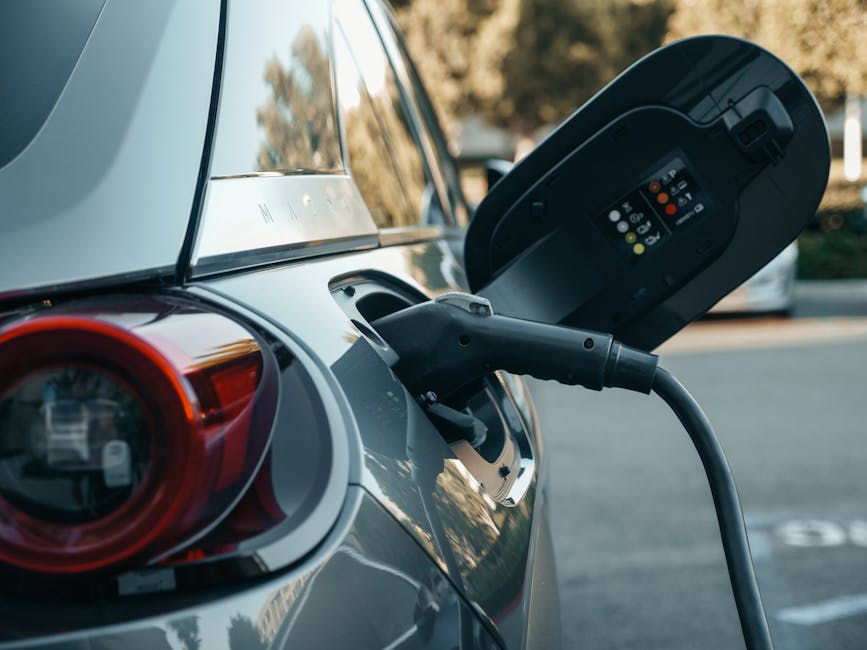
Another important aspect of the future of smart car connectivity is sustainability. As the world shifts towards greener transportation options, smart connectivity can play a vital role in promoting sustainable practices. For instance, connected electric vehicles can communicate with charging stations to optimize charging times and reduce energy consumption.
Moreover, smart mobility solutions that integrate public transportation, ride-sharing, and autonomous vehicles can help reduce congestion and lower emissions in urban areas. By leveraging connectivity, cities can create more efficient transportation systems that benefit both residents and the environment.
Conclusion
Smart car connectivity is transforming the automotive landscape, introducing features that enhance safety, convenience, and overall driving experience. With advancements in V2X communication, integrated infotainment systems, and the role of artificial intelligence, the future of transportation is becoming increasingly connected and efficient. While challenges such as cybersecurity and data privacy remain, the potential for a more integrated and sustainable transportation ecosystem is within reach. As we continue to embrace these innovations, the journey ahead promises to be exciting and full of possibilities.


